
Why should we care about indoor air quality? In modern life, our homes and offices have become a haven from the wind. But people often overlook the potential health effects of air quality in these confined spaces. Studies have shown that the level of indoor air pollution sometimes even exceeds that of the outdoors, especially excessive PM2.5 fine particulate matter, volatile organic compounds (VOCs), carbon dioxide (CO2) concentrations, and unsuitable temperature and humidity, all of which can trigger respiratory illnesses, allergies and allergic symptoms.
Intelligent monitoring: the meticulousness of technology
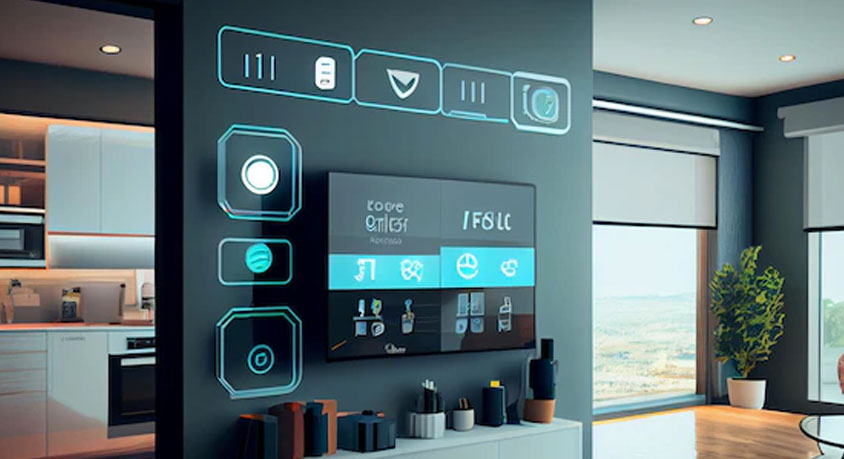
Intelligent air quality monitors, as the crystallization of modern technology, are gradually becoming the standard equipment for families and enterprises pursuing a high quality of life. These devices integrate high-precision sensors that can monitor PM2.5, VOCs, CO2 concentration in indoor air, as well as key indicators such as temperature and humidity in real time and accurately. Through an intuitive display or mobile app, users can check the status of indoor air quality anytime, anywhere, and know when they need to open windows for ventilation, use air purifiers and other measures to maintain a fresh and healthy living environment.

Scientific interpretation: the health code behind the data
Each monitoring data contains rich health information: PM2.5, as particles in the air with a diameter of less than or equal to 2.5 microns, can penetrate deep into the lungs and even the blood system, posing a threat to human health; VOCs, which are widely found in furniture, decorative materials, cosmetics, etc., and may cause dizziness and nausea if inhaled for a long period of time; and a high concentration of CO2 can lead to a lack of oxygen in the human body, which affects the functioning of the brain and work efficiency. High CO2 concentration can lead to hypoxia, affecting brain function and work efficiency. The smart monitor not only provides real-time data, but also intelligently analyzes and gives recommendations for improvement based on preset health standards, such as adding greenery, adjusting air conditioning settings, etc., to help users scientifically improve indoor air quality.
Smart life: closed loop from monitoring to improvement
The real value of the smart air quality monitor lies in the closed-loop system it builds from monitoring to improvement. In addition to real-time monitoring and data analysis, many high-end models also have a linkage function that automatically connects to air purifiers, fresh air systems and other equipment at home, automatically adjusting the working mode according to the air quality conditions to achieve intelligent management. This intelligent lifestyle not only enhances the comfort of living, but also reflects the deep concern for the health of the family.
Technology empowered, breathing more freely
With the continuous development of the Internet of Things, big data, artificial intelligence and other technologies, intelligent air quality monitors will become more intelligent and personalized. In the future, we may be able to see more accurate monitoring technologies, such as an AI-based odor recognition system for detecting and warning of the presence of specific harmful gases; or a customized service that combines personal health data to provide users with more personalized air quality management solutions. Advances in technology will make every breath freer and healthier.